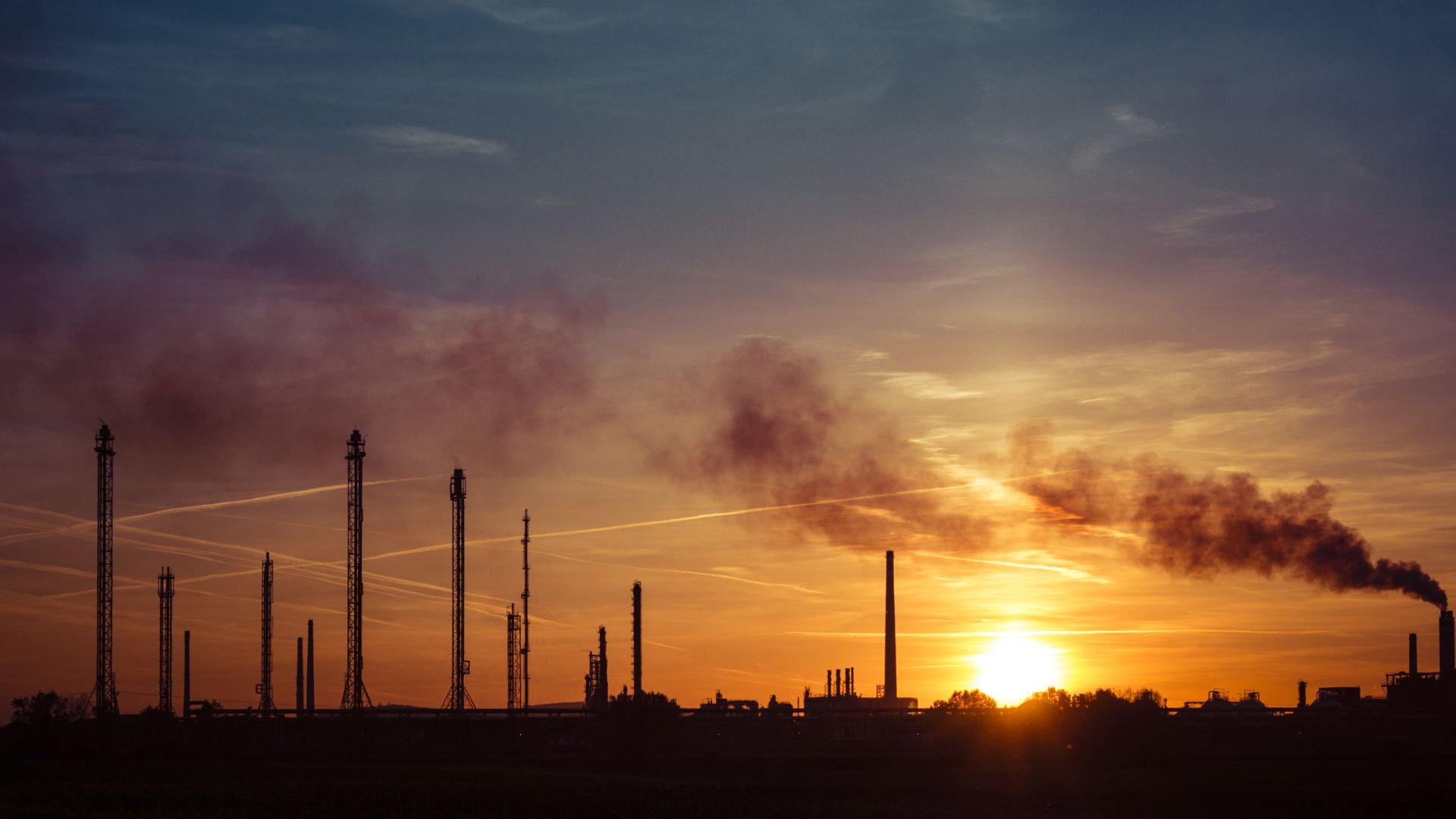
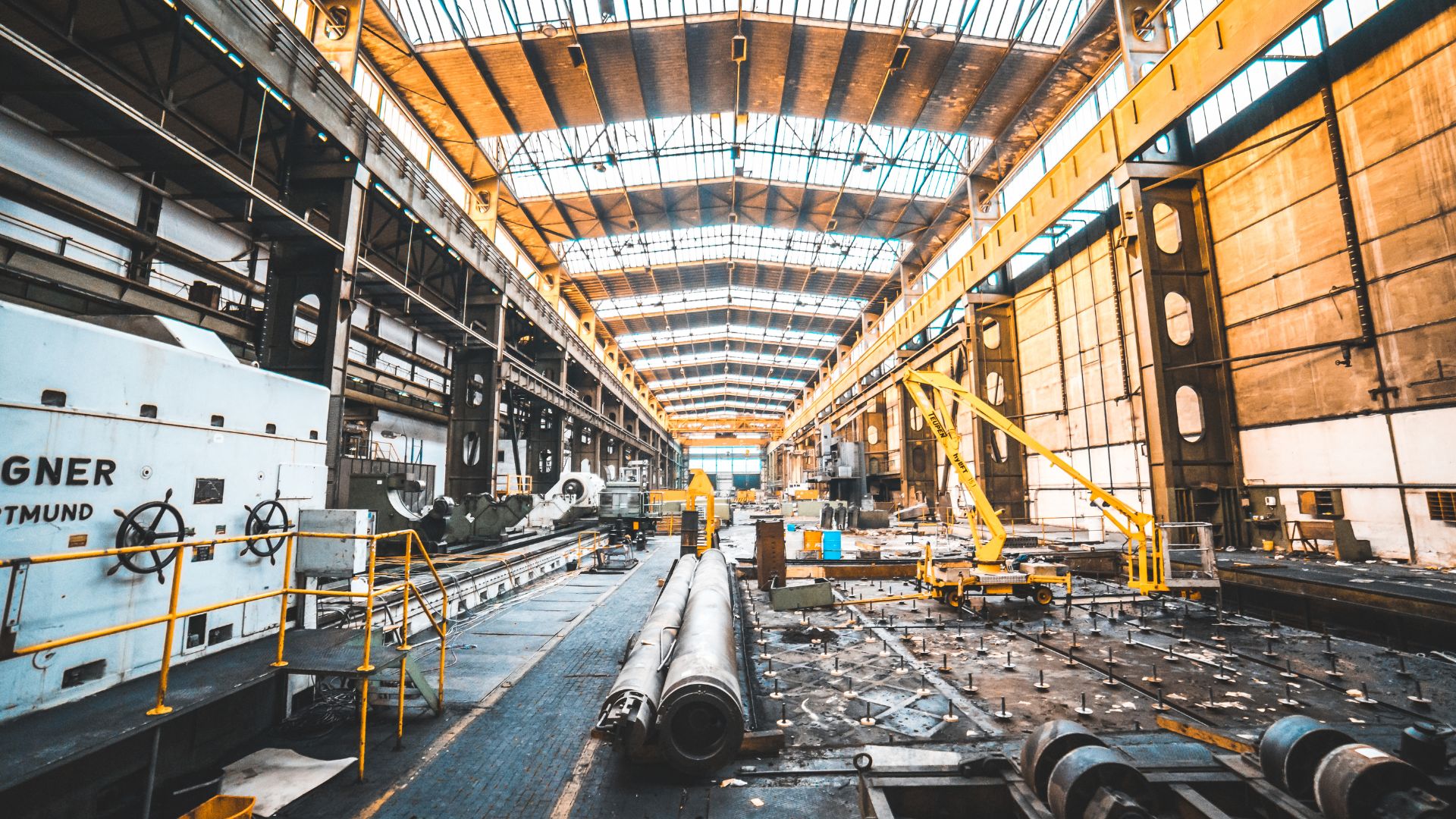
The journey of steel from the earth to the structures that define our surroundings is a complex and fascinating process. It commences with the extraction of iron ore from mines, a process that varies across regions and involves both surface and underground mining techniques. Once obtained, the iron ore undergoes beneficiation processes to remove impurities, resulting in a concentrated form ready for further refinement. The heart of steel production lies in the blast furnace, where iron ore, along with coke and limestone, undergoes a high-temperature reduction process. This produces molten iron, which is then converted into steel through various refining techniques. Alloying elements, such as manganese and chromium, are carefully added to achieve the desired properties, whether it be enhanced strength, corrosion resistance, or other specific characteristics. The manufacturing process is a symphony of chemical and metallurgical expertise, transforming raw materials into the versatile and reliable construction material that has become synonymous with progress and innovation.
Article
Introduction to Steel: The Backbone of Modern Construction
Steel, often referred to as the “backbone of modern construction,” is an alloy primarily composed of iron and carbon. Its exceptional strength, durability, and versatility have positioned it as the